.png)
The first thing Skardu does is silence you. Not because there’s nothing to say but because the mountains say it better. As your jeep crawls along winding roads and the air gets thinner, something strange happens. Your phone loses signals, but your soul gets reception. Ahead of you stand giants; ancient, calm, and unapologetically powerful. These are not just mountains. These are the peaks of Skardu, and each one carries a story older than time.
Dawn in Skardu doesn’t arrive quietly, it reveals itself slowly. The sun rises like it’s afraid to disturb the mountains. Soft golden light kisses snowy summits, and suddenly, peaks that looked cold and distant start glowing like they’re alive. You sip your tea. You pull your jacket tighter. And then you see it. Masherbrum.
Masherbrum doesn’t scream for attention like K2. It stands tall, sharp, dignified like a king who knows his worth. Locals call it K1, but travelers call it unforgettable. Its jagged edges cut through clouds, and when it appears, conversations stop. You don’t climb Masherbrum with your body first, you climb it with respect.
Then there’s Broad Peak; wide, massive, deceptively calm. From a distance, it looks welcoming. Almost friendly. But don’t be fooled. Broad Peak reminds you that nature can be beautiful and brutal at the same time. It’s the mountain that teaches you humility. You don’t conquer it, it allows you closer.
And then comes the moment. Someone points ahead and whispers, “That’s K2.” No dramatic introduction. No warning. Just raw presence. K2 doesn’t charm. It intimidates. It doesn’t welcome. It challenges. The world’s second-highest peak stands there like it’s daring you to try. Climbers from around the globe come chasing glory, but K2 reminds everyone of the same truth: Nature doesn’t negotiate.
Beyond the famous names lie the Gasherbrum peaks; quiet, icy, and mysterious. These mountains don’t show off. They hide behind clouds, reveal themselves briefly, then disappear again. Locals say the wind here carries stories of climbers, shepherds, and travelers who passed through and left a piece of themselves behind. When the wind hits your face, it feels like Skardu is talking to you.
At night, Skardu transforms. The peaks turn into dark silhouettes, and the sky explodes with stars. There’s no city glow, no noise, just cold air and infinite space. You lie there, staring up, realizing something important: The mountains aren’t making you feel small. They’re reminding you how big life actually is.
People don’t come back from Skardu the same. Because these peaks: Teach patience, Demand respect, Offer silence in a noisy world, Heal without saying a word and You don’t just see them, you feel them.
The best time to experience Skardu’s peaks is May to September, when roads are open, skies are clearer, and the mountains reveal their true faces. Each season paints them differently; snow-covered in early summer, rugged and raw by August, golden and calm as autumn approaches.
Some trips give you photos. Some give you stories. Skardu gives you perspective. The peaks don’t promise comfort. They promise truth. And once you’ve stood beneath them; listening to the wind, watching clouds move, feeling your heartbeat slow, you’ll understand: Some places don’t ask you to visit. They wait for you to be ready.
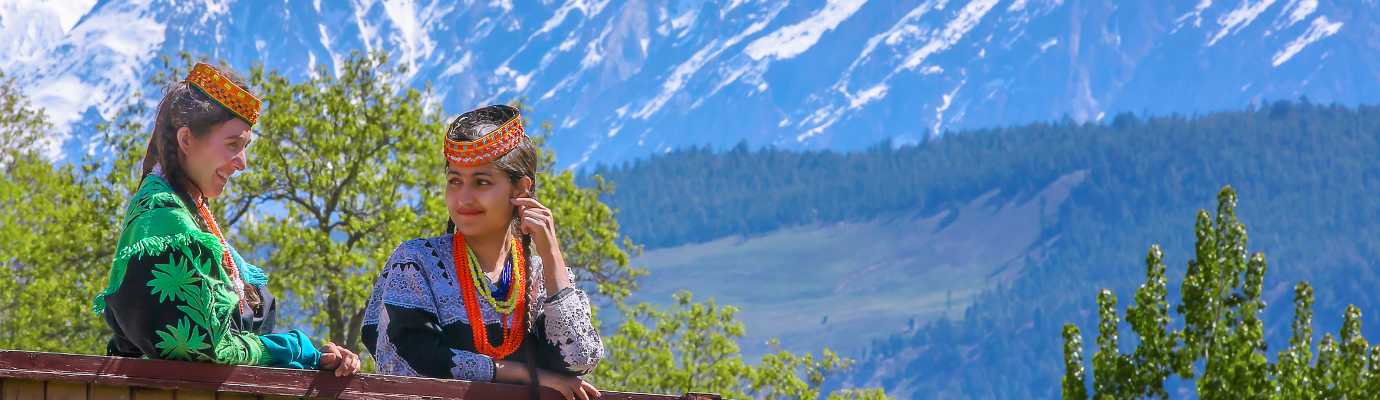
Discover the magic of Kalash Valley in Chitral, a uniqu...
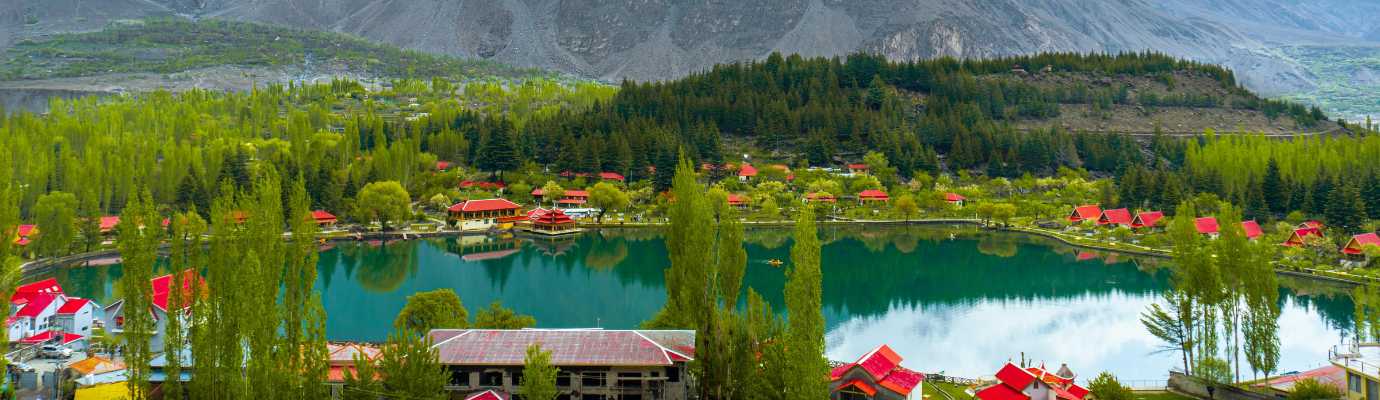
Discover some of the most beautiful yet lesser-known pl...
Planning your first international trip? Discover beginn...
Discover underrated countries that are quietly becoming...
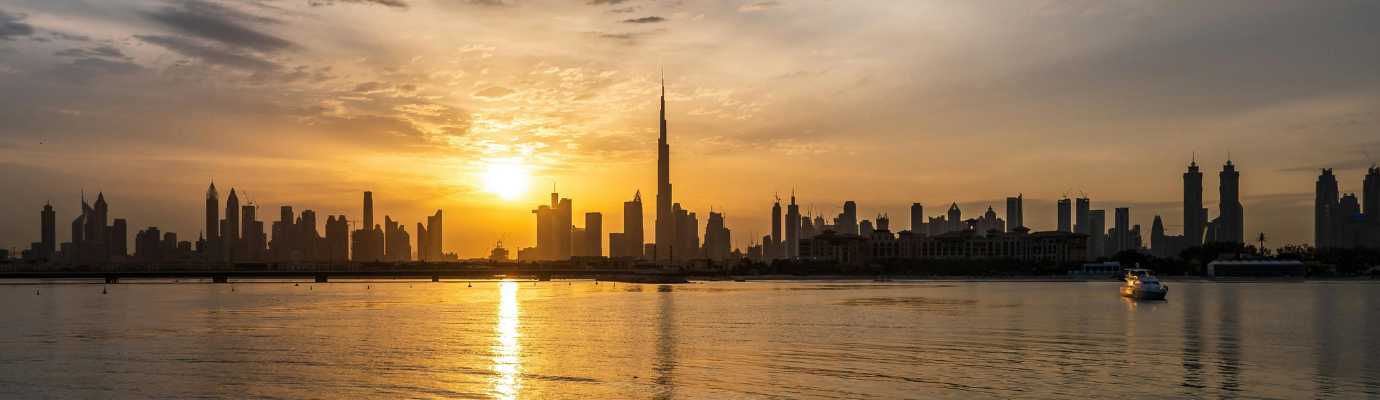
Loved Dubai? Discover five incredible destinations that...
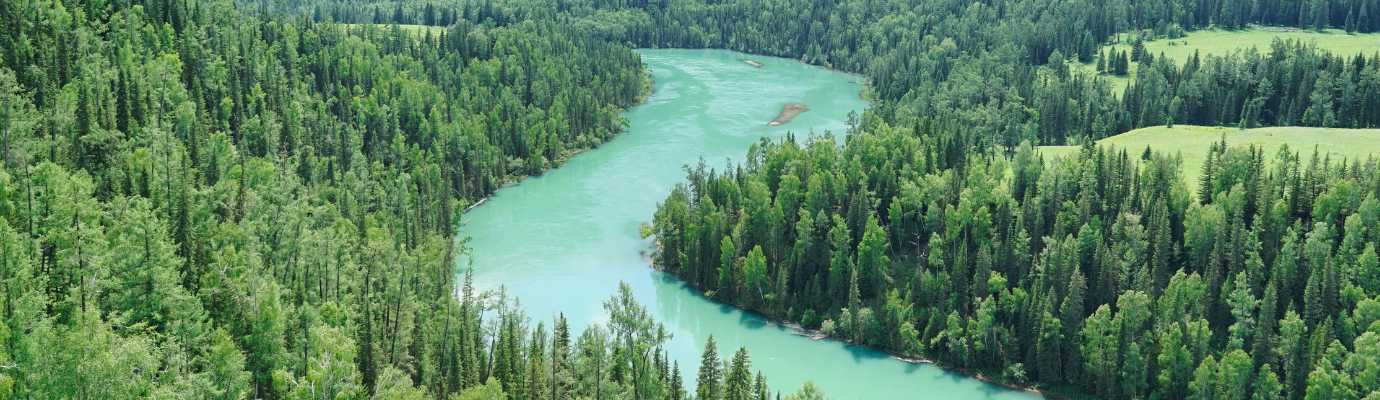
Some trips you take once, but some places keep calling...
 Home
Home About Us
 Flight
Booking
Flight
Booking Hotel
Booking
Hotel
Booking Tour
Booking
Tour
Booking Visa
Booking
Visa
Booking Discover
Pakistan
Discover
Pakistan Blogs
Blogs Wishlist
 Subscribe
 Support
 Log In

 login
login register


Leave a Comment
Sign in to comment